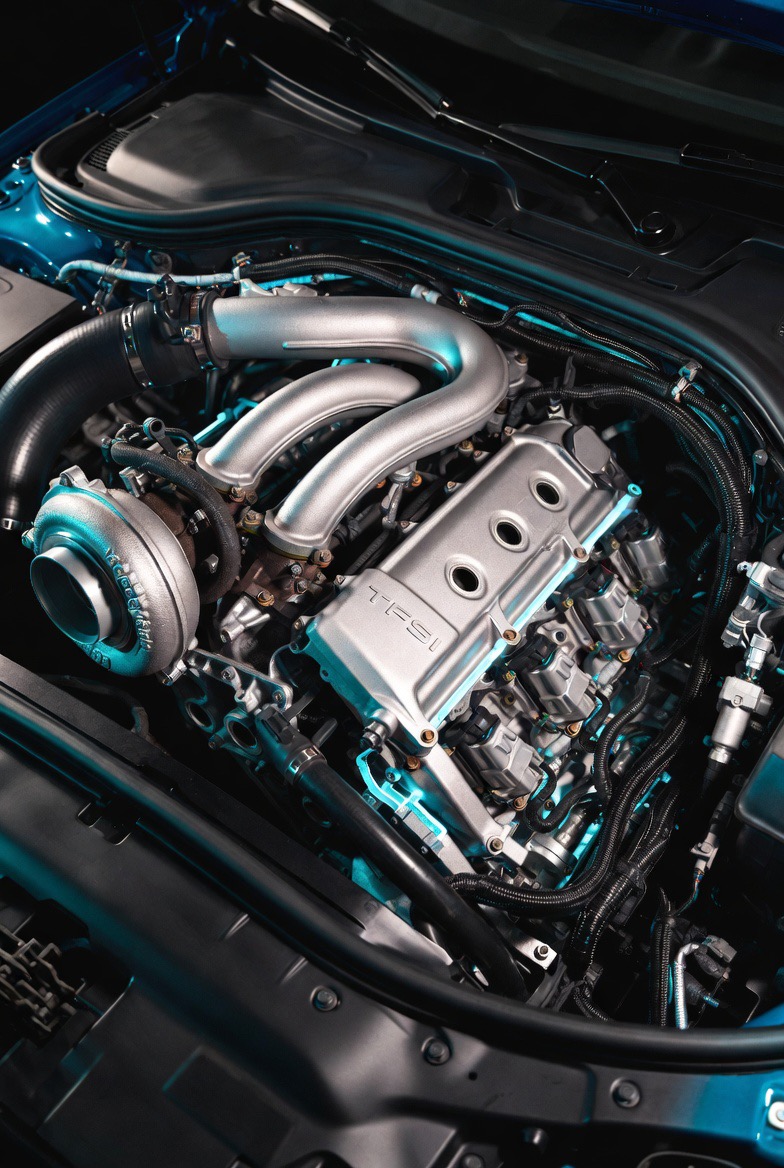
Audi Car Engines: 5 Key Features That Define Innovation and Efficiency
Audi has long stood at the forefront of automotive engineering, blending exhilarating performance with remarkable fuel efficiency and lower emissions. Its engines, particularly the TFSI gasoline and TDI diesel lines, exemplify German precision and forward-thinking innovation. From turbocharged direct-injection systems to intelligent hybridization, Audi’s powertrains deliver power without excessive thirst for fuel. This article explores five key features that define Audi’s engine innovation and efficiency, drawing on technologies that have evolved over decades and continue to set benchmarks in the luxury segment.
1. TFSI Technology: Turbocharged Direct Injection Mastery
At the heart of many Audi gasoline engines lies TFSI (Turbo Fuel Stratified Injection). Introduced in the early 2000s, Audi was among the first to combine direct fuel injection with turbocharging. Fuel is sprayed directly into the combustion chamber at high pressure, creating a precisely controlled, stratified mixture that cools the chamber walls. This allows higher compression ratios—often around 11:1 or more—improving thermodynamic efficiency and power output.
The turbocharger forces more air into the cylinders, enabling smaller-displacement engines to produce power rivaling larger naturally aspirated units. For example, a 2.0-liter TFSI can deliver strong torque from low RPMs while maintaining excellent fuel economy. This “downsizing” philosophy reduces weight and internal friction, directly boosting efficiency. Modern TFSI engines integrate features like dual injection systems and optimized intake ports for better swirl and combustion quality.
Real-world benefits include responsive acceleration, reduced pumping losses, and compliance with stringent emissions standards. In models like the A4 or Q5, TFSI powertrains achieve impressive combined fuel consumption figures while offering dynamic driving pleasure. This technology perfectly balances the brand’s performance heritage with modern efficiency demands.
2. B-Cycle (Bedeck Cycle) Combustion Process
One of Audi’s most sophisticated efficiency innovations is the B-Cycle combustion process, a refined version of the Miller cycle, applied in select TFSI engines (such as certain 2.0L, 3.0L V6, and 2.9L variants). Named after engineer Ralf Budack, it optimizes the partial-load range where most daily driving occurs.
In traditional Otto-cycle engines, the intake valve stays open until the piston reaches bottom dead center. In B-Cycle operation, the intake valves close much earlier—around 130 degrees of crankshaft angle in V6 variants—well before bottom dead center. Combined with boosted intake manifold pressure from the turbo, this reduces the effective compression stroke while maintaining a high geometric compression ratio (e.g., 11.2:1 in the 3.0 TFSI). The result is a longer expansion phase relative to compression, extracting more work from each combustion event with the same fuel input.
The Audi Valve lift System (AVS) plays a crucial supporting role, switching between short and long valve lifts depending on load. At partial throttle, shorter lifts minimize throttling losses by keeping the throttle plate more open. Under higher demand, AVS adjusts for full power. This dual-mode capability gives drivers the economy of a small engine in cruising and the performance of a larger one when needed.
B-Cycle technology significantly lowers fuel consumption and CO₂ emissions in real-world mixed driving without sacrificing refinement or power. It represents Audi’s deep investment in combustion science, pushing gasoline engines closer to diesel-like efficiency levels.
3. Cylinder on Demand (COD) Technology
Cylinder on Demand (COD), also known as cylinder deactivation, intelligently shuts down cylinders under light loads to reduce fuel use. Audi applies this in engines ranging from the compact 1.4 TFSI to potent V8s and even W12s.
When conditions allow—typically moderate speeds, higher gears, and loads below 25-40% of maximum torque—the system deactivates half the cylinders by closing their intake and exhaust valves while cutting fuel injection. The engine effectively runs as a smaller unit (e.g., V8 becomes V4), operating at higher mean effective pressure for better thermal efficiency. Reactivation is seamless and nearly imperceptible, thanks to advanced engine management.
To maintain comfort, Audi pairs COD with Active Noise Cancellation (ANC) and active engine mounts that counteract vibrations and noise. Fuel savings can reach 5-20% depending on driving style, with notable improvements in highway cruising. In high-performance models like the RS 6, this allows a 600+ hp beast to sip fuel efficiently during relaxed drives.
COD exemplifies “rightsizing”—matching engine displacement and technology to typical operating conditions—while retaining full capability on demand. It bridges performance and sustainability effectively.
4. Mild Hybrid Systems (MHEV and MHEV plus)
Electrification is integral to Audi’s efficiency strategy. The 48-volt Mild Hybrid Electric Vehicle (MHEV) system, and its advanced MHEV plus iteration, supports combustion engines without the complexity of full hybrids or plug-ins.
Key components include a Belt Alternator Starter (BAS), a Powertrain Generator (PTG) in newer setups, a compact lithium-ion battery, and sophisticated power electronics. The system enables extended coasting with the engine off (start-stop from higher speeds), regenerative braking to recapture energy, and electric torque fill for smoother acceleration and reduced lag.
MHEV plus, introduced with models on the Premium Platform Combustion (PPC) like the latest A5 and Q5, allows limited electric-only driving in certain scenarios and provides performance boosts. It reduces fuel consumption and emissions while improving agility. The 48V architecture also powers auxiliary systems more efficiently, such as an electric AC compressor.
These systems deliver tangible benefits: lower CO₂ output, better real-world economy (often 0.5-1 L/100km savings), and enhanced driving comfort through seamless engine restarts and torque support. They serve as a practical bridge toward greater electrification.
5. Advanced Thermal Management and Integrated Design
Audi’s engines benefit from holistic engineering, particularly integrated thermal management and clever component packaging. Features like exhaust manifolds cast into the cylinder head reduce heat loss, speed catalyst light-off, and improve turbo response. Variable oil pumps, split cooling circuits, and plasma-coated cylinder walls minimize friction and allow rapid warm-up.
Turbochargers with electric wastegate actuators provide precise boost control, while sophisticated software optimizes everything from injection timing to valve events. In TDI diesels, similar refinements—such as sequential or twin-turbo setups managed by AVS—deliver exceptional torque and efficiency.
Quattro all-wheel drive, especially the ultra variant, enhances efficiency by decoupling the rear axle during steady driving, reducing drag while remaining ready for instant engagement. Combined with aerodynamic optimization and lightweight materials, these elements create powertrains where every joule of energy is used effectively.
Conclusion: Driving the Future
Audi’s five pillars—TFSI direct-injection turbocharging, B-Cycle combustion, Cylinder on Demand, mild hybridization, and advanced thermal/integration design—create engines that are powerful, refined, and efficient. These technologies reduce emissions and fuel use while preserving the thrilling drive expected from the four-ring brand.
As the industry shifts toward full electrification with e-tron models, these combustion and hybrid innovations ensure a smooth transition, maintaining performance heritage. Whether in a compact A3 or flagship Q8, Audi engines demonstrate that innovation and efficiency are not trade-offs but complementary strengths.
For enthusiasts and eco-conscious drivers alike, they offer a compelling vision of premium mobility.
(Word count: approximately 1,020)
This overview highlights Audi’s engineering excellence. Specific figures can vary by model, market, and driving conditions; always consult official specifications for the latest data.