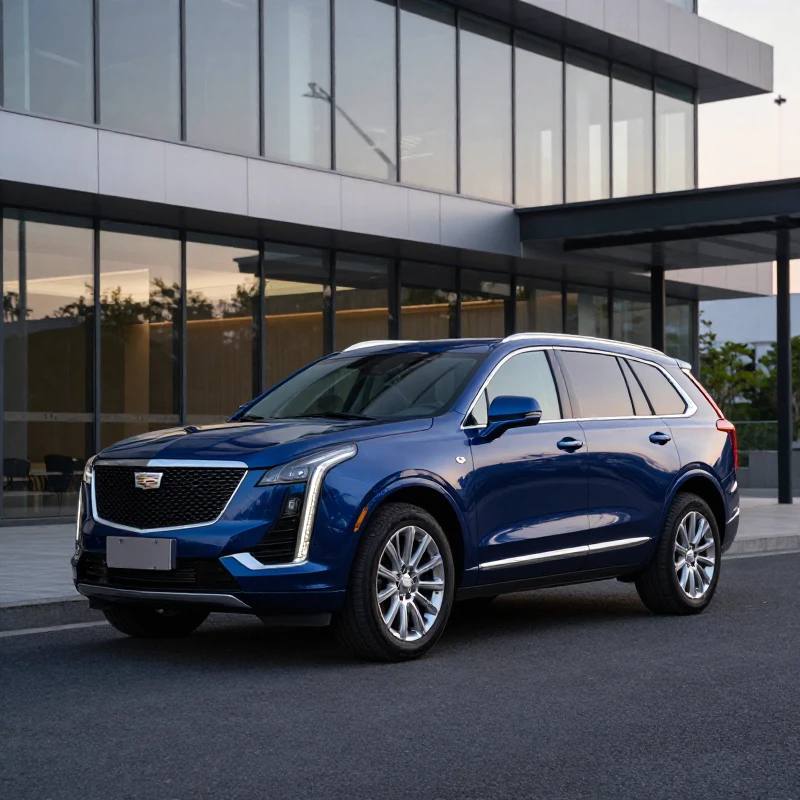
Cadillac, one of America’s most iconic luxury car brands, is undergoing one of the most significant transformations in its history. Known for decades as a symbol of traditional American luxury—large sedans, powerful engines, and bold styling—Cadillac is now repositioning itself for the future. The brand’s new direction in the United States centers on full electrification, advanced technology, and modern luxury design, aiming to compete with both traditional luxury automakers and new electric vehicle (EV) leaders like Tesla.
A Bold Commitment to Electrification
One of the most important developments surrounding Cadillac in the U.S. is its strong commitment to becoming an all-electric brand. General Motors (GM), Cadillac’s parent company, has announced plans to transition toward a fully electric future, and Cadillac is leading that shift within GM’s portfolio.
Cadillac has already introduced several electric models, including:
Cadillac Lyriq – a luxury electric SUV and the brand’s first widely available EV in the U.S.
Cadillac Celestin – an ultra-luxury, hand-built electric sedan designed to rival the most exclusive cars in the world
Upcoming EV SUVs like the Escalade IQ and Opti
The Lyriq, in particular, represents a major step forward. It combines a sleek, futuristic design with a long driving range, advanced infotainment systems, and a focus on quiet, smooth driving—qualities that align well with Cadillac’s heritage of comfort.
Competing in the EV Luxury Market
Cadillac’s electric strategy places it in direct competition with both established luxury brands and newer EV-focused companies. In the United States, the EV luxury segment is growing rapidly, with competitors including:
Tesla (Model S, Model X)
BMW (iX, i4, i7)
Mercedes-Benz (EQE, EQS)
Audi (e-tron series)
To stand out, Cadillac is emphasizing a uniquely American interpretation of luxury—combining bold design with cutting-edge technology. Unlike Tesla, which focuses on minimalism and performance, Cadillac aims to deliver a more traditional luxury experience with high-quality materials, comfort-focused interiors, and advanced features.
Design Evolution: From Bold to Futuristic
Cadillac has always been known for its distinctive design, but its latest models show a clear evolution. The brand is moving toward a more futuristic and aerodynamic look, especially in its electric vehicles.
Key design features include:
Slim LED lighting signatures
Large, illuminated grilles (even on EVs, where they are not functionally necessary)
Clean, sculpted body lines
Spacious, high-tech interiors
The Celestis takes this design philosophy to the extreme. It features a dramatic fastback shape, a fully digital dashboard, and customizable interior elements. It represents Cadillac’s ambition to re-enter the ultra-luxury market, competing with brands like Rolls-Royce and Bentley.
Technology and Innovation
Technology is at the heart of Cadillac’s transformation. Modern Cadillac vehicles are equipped with a wide range of advanced features designed to enhance both convenience and safety.
One of the most notable innovations is Super Cruise, Cadillac’s hands-free driver assistance system. It allows drivers to operate the vehicle without touching the steering wheel on compatible highways, making long-distance driving more आरामदायक and less stressful.
Other key technological features include:
Large, curved OLED displays
Advanced navigation systems with real-time updates
Over-the-air software updates
Enhanced connectivity with smartphones and digital services
These technologies are essential for competing in today’s market, where consumers expect their vehicles to function like smart devices.
The Return to American Luxury Leadership
Cadillac’s transformation is not just about technology—it is also about reclaiming its position as a leader in American luxury. For much of the 20th century, Cadillac was considered “the standard of the world.
However, in recent decades, it faced strong competition from European and Japanese luxury brands.
With its new EV lineup, Cadillac is attempting to regain that prestige. The Celestis, for example, is positioned as a flagship model that showcases the brand’s capabilities in design, craftsmanship, and innovation. Each unit is expected to be highly customized, offering buyers a unique and exclusive experience.
SUV Dominance and the Escalade Legacy
While Cadillac is focusing heavily on electric vehicles, it continues to benefit from the success of its SUV lineup, particularly the Escalade. The Escalade has long been one of the most recognizable luxury SUVs in the United States, known for its size, presence, and premium features.
The upcoming Escalade IQ, an all-electric version of the iconic SUV, represents a bridge between Cadillac’s past and future. It maintains the bold character of the traditional Escalade while incorporating electric power, modern technology, and improved efficiency.
SUVs remain a crucial part of Cadillac’s strategy, as they are highly popular among American consumers. By electrifying its SUV lineup, Cadillac aims to combine practicality with sustainability.
Challenges in the Transition
Despite its ambitious plans, Cadillac faces several challenges in the U.S. market:
Strong competition – Both legacy luxury brands and EV startups are investing heavily in electric vehicles.
Consumer adoption of EVs – While EV popularity is growing, some buyers are still hesitant due to concerns about charging infrastructure and range.
Brand perception – Cadillac must balance its traditional identity with its new, modern image.
Pricing – Luxury EVs can be expensive, and Cadillac needs to ensure its vehicles offer strong value compared to competitors.
Successfully navigating these challenges will be essential for Cadillac’s long-term success.
Sustainability and the Future
Cadillac’s shift to electric vehicles is also part of a broader commitment to sustainability. By reducing reliance on gasoline-powered engines, the brand aims to lower emissions and contribute to a cleaner environment.
In addition to electrification, Cadillac is exploring more sustainable materials and manufacturing processes. This aligns with changing consumer expectations, as many buyers now consider environmental impact when choosing a vehicle.
Conclusion
Cadillac’s transformation in the United States represents a bold reimagining of what American luxury can be in the modern era. By embracing electrification, advanced technology, and innovative design, the brand is positioning itself for the future while honoring its legacy.