Chrysler vs. Dodge: Which American Brand Stands Out in Today’s Market?
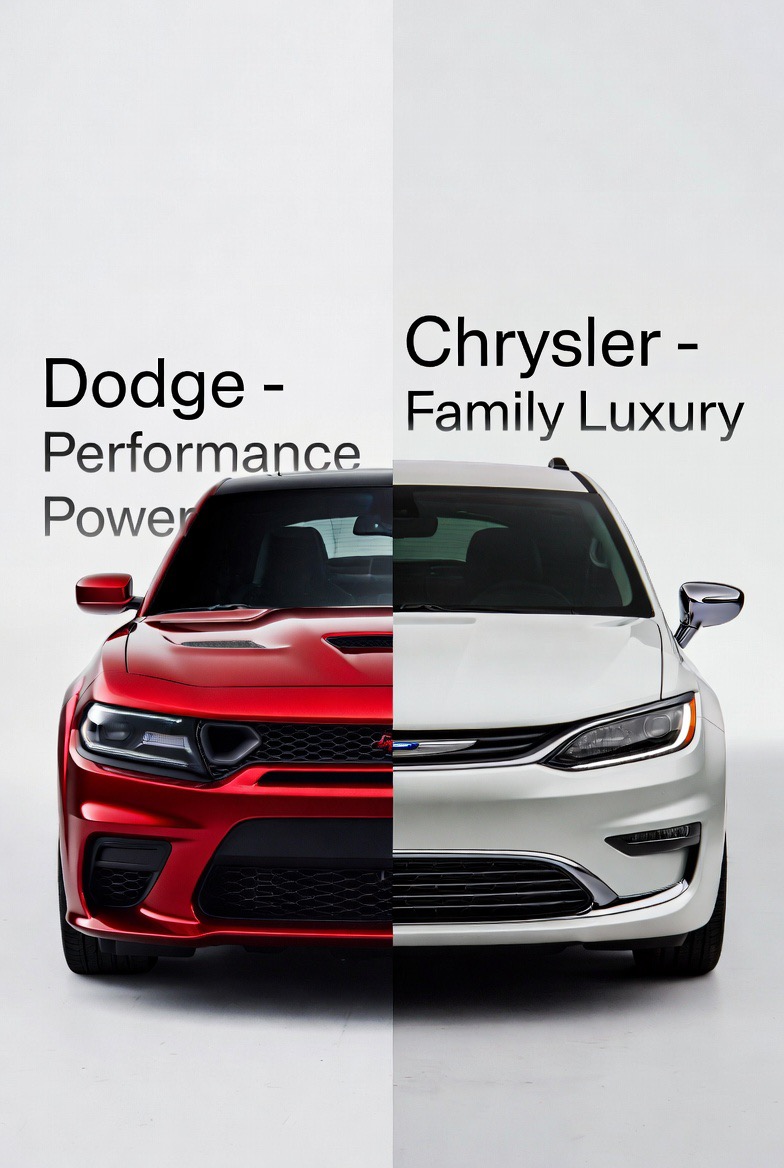
The American automotive industry has long been defined by a handful of iconic brands, and among them, Chrysler and Dodge hold a significant place. Both companies are part of Stellantis, one of the world’s largest automotive groups, yet they serve distinctly different audiences. While Chrysler focuses on comfort, family-friendly design, and refined driving, Dodge is synonymous with power, performance, and bold styling. The question many consumers ask today is simple: which brand is better in the United States? The answer, however, depends on what drivers value most.
A Legacy of American Engineering
Chrysler, founded in 1925, built its reputation on innovation and engineering excellence. Over the decades, it introduced advancements such as aerodynamic designs and modern safety features. Today, Chrysler’s lineup is relatively small, with vehicles like the Pacifica minivan leading the brand. Despite its limited range, Chrysler has positioned itself as a practical and premium choice for families.
Dodge, established slightly earlier in 1900, took a different path. While it originally produced parts and vehicles for other manufacturers, it quickly developed its own identity centered around durability and performance. In modern times, Dodge has become almost entirely focused on muscle cars and high-powered vehicles like the Charger and Challenger, making it a favorite among enthusiasts.
Design Philosophy: Comfort vs. Aggression
One of the most noticeable differences between Chrysler and Dodge lies in their design approach. Chrysler vehicles emphasize elegance and simplicity. The Pacifica, for instance, features clean lines, a spacious interior, and advanced technology aimed at convenience and comfort. It’s designed for families who prioritize practicality without sacrificing style.
Dodge, on the other hand, embraces aggressive styling. Its vehicles often feature bold grilles, muscular bodies, and a commanding road presence. The Charger sedan and Challenger coupe are prime examples, designed to stand out and deliver a sense of power even before the engine starts. This visual identity appeals strongly to drivers who want their car to make a statement.
Performance and Driving Experience
When it comes to performance, Dodge clearly takes the lead. The brand is widely recognized for its powerful engines, including V8 options that deliver exceptional horsepower. Models like the Dodge Hellcat variants have become symbols of American muscle, offering thrilling acceleration and a dynamic driving experience.
Chrysler, in contrast, prioritizes smooth and comfortable driving. Its vehicles are engineered for reliability and ease rather than speed. The Pacifica, for example, offers a quiet ride, efficient handling, and even a hybrid version that appeals to environmentally conscious consumers. While Chrysler may not excite performance enthusiasts, it excels in delivering a stress-free driving experience for everyday use.
Technology and Innovation
Both brands have made significant investments in technology, but they apply it differently. Chrysler focuses on family-oriented features such as entertainment systems, safety technologies, and driver assistance tools. The Pacifica is particularly notable for its advanced infotainment system and interior versatility, making long trips more enjoyable for passengers.
Dodge incorporates technology in ways that enhance performance and driver engagement. Features such as customizable driving modes, performance tracking systems, and responsive infotainment interfaces add to the excitement of driving. While it also includes modern safety features, Dodge’s technology is often centered around maximizing the driving experience.
Market Position and Consumer Appeal
In the United States, Dodge currently enjoys stronger visibility and popularity than Chrysler. This is largely due to its distinctive identity and loyal fan base.
Muscle cars have a unique cultural significance in America, and Dodge has successfully capitalized on this heritage. Even as the industry shifts toward electrification, Dodge has begun adapting while maintaining its performance-focused image.
Chrysler, by comparison, has a more niche presence. Its limited lineup means fewer choices for consumers, which can impact its competitiveness. However, it remains a strong contender in the minivan segment, where the Pacifica is often considered one of the best options available. For families seeking practicality, comfort, and efficiency, Chrysler continues to deliver.
Reliability and Cost of Ownership
Reliability is a key factor for many buyers, and both brands perform reasonably well, though not always at the top of industry rankings. Chrysler’s focus on fewer models allows it to refine its offerings, which can translate to consistent quality in vehicles like the Pacifica.
Dodge vehicles, particularly high-performance models, may come with higher maintenance costs due to their powerful engines and specialized components. Fuel efficiency is another consideration—Dodge’s emphasis on performance often results in lower fuel economy compared to Chrysler’s more practical vehicles.
The Shift Toward the Future
The automotive industry is undergoing a major transformation, with electric vehicles and sustainability becoming increasingly important. Stellantis has announced plans to electrify its brands, and both Chrysler and Dodge are expected to evolve significantly in the coming years.
Chrysler is likely to lean further into hybrid and electric family vehicles, building on the success of the Pacifica Hybrid. Dodge, meanwhile, faces the challenge of preserving its performance identity while transitioning to electric powertrains. Early concepts suggest that Dodge aims to deliver electric vehicles that maintain the excitement and power its fans expect.
Which Brand Is Better?
Determining whether Chrysler or Dodge is “better” ultimately depends on the driver’s priorities. If performance, bold design, and an exhilarating driving experience are at the top of the list, Dodge is the clear winner. Its vehicles are built to excite and deliver a sense of power that few competitors can match.
However, if comfort, practicality, and family-friendly features are more important, Chrysler stands out as the better choice. Its focus on convenience, safety, and efficiency makes it ideal for daily use and long-distance travel.
Conclusion
Chrysler and Dodge represent two distinct sides of American automotive culture. Chrysler embodies practicality and refinement, while Dodge celebrates power and individuality. Both brands have strengths that appeal to different types of drivers, and neither can be declared universally superior.
In today’s United States market, Dodge may have the edge in popularity and brand identity, but Chrysler remains a dependable option for those seeking comfort and functionality. As both brands move toward an electrified future, the competition between them will likely evolve, offering consumers even more choices in the years ahead.